Staying Safe While Exploring the DFW Metroplex
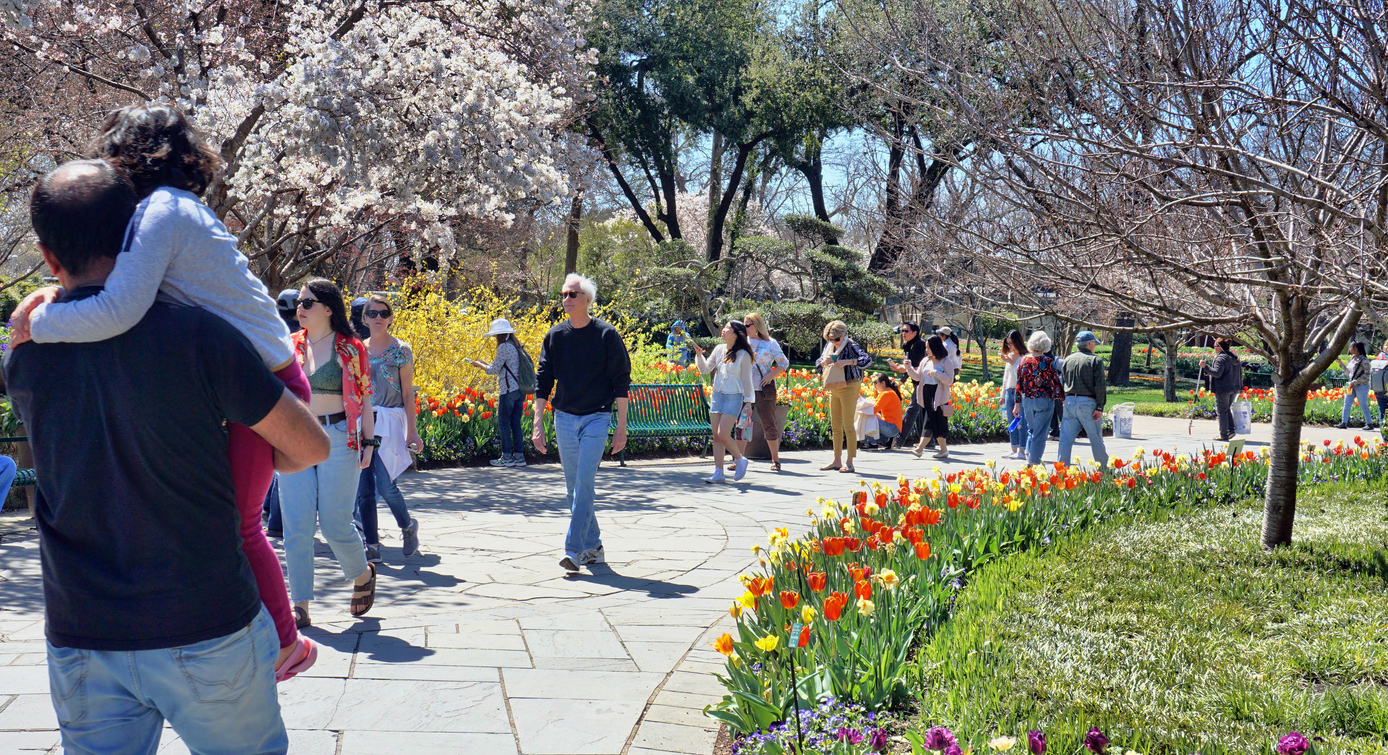
Dallas–Fort Worth is a large, fast-growing metroplex where most visits are smooth and enjoyable with basic city awareness. Crime trends have improved in recent years, including fewer violent incidents, but safety still depends heavily on location, timing, and personal habits. For visitors, the most reliable approach is simple: stay in well-trafficked areas, use secure parking, and be more cautious after dark—especially when moving between neighborhoods.
Dallas Crime Rates vs. National Trends: 2025 Overview
Dallas reported a notable decline in violent crime in 2025, including fewer homicides and fewer combined assaults, robberies, and violent offenses. Local reporting cited approximately 141 homicides, down significantly from the previous year, while police leadership also noted a measurable drop across multiple violent crime categories. Across the U.S., large-city trends showed similar movement. National research groups tracking major metros reported substantial year-over-year declines in homicide rates, reinforcing that Dallas’ improvement aligns with broader national patterns. For visitors, the takeaway is straightforward: overall conditions improved, but property crime and location-specific risks still matter, especially in parking areas, less active streets, and unfamiliar districts.
The Safest Dallas Neighborhoods for Visitors and Residents
View this post on Instagram
Several Dallas neighborhoods consistently stand out for lower crime rates, strong community presence, and well-maintained infrastructure.
- Highland Park and University Park – quiet, well-patrolled, and among the most stable areas in the region
- Preston Hollow, Bluffview, and North Dallas – residential, spacious, and generally low-density
- Lakewood and Lake Highlands – family-oriented neighborhoods with active community involvement
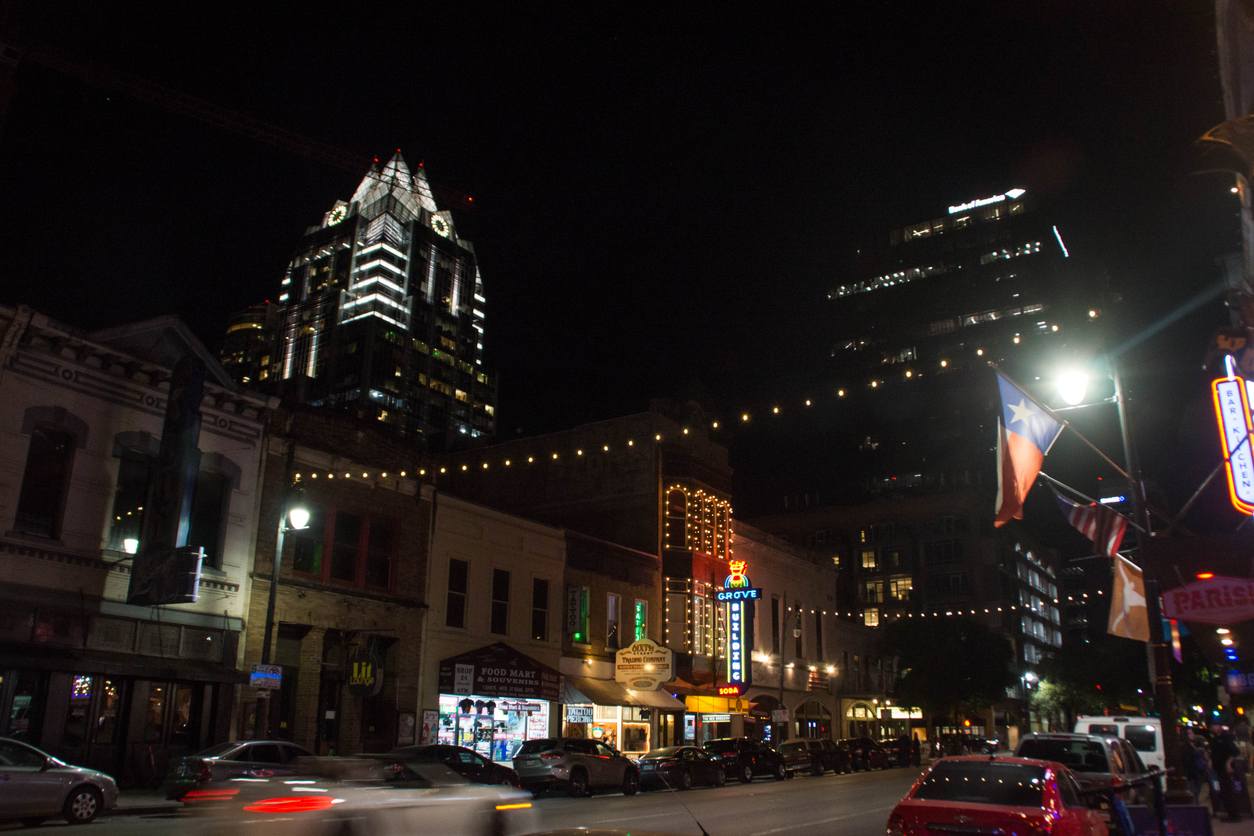
For visitors, Uptown remains one of the most comfortable urban districts. It is walkable, busy, and well-lit, with restaurants, hotels, and nightlife concentrated in a compact area. Downtown Dallas also works well, particularly near major hotels, museums, and office towers, where foot traffic remains steady during the day and early evening.
Higher-Risk Areas: South Dallas, Parts of Oak Cliff, and West Dallas
Certain parts of South Dallas, West Dallas, and Oak Cliff require more awareness, particularly for visitors unfamiliar with the area. Safety conditions can vary significantly from one block to the next, with some areas improving through redevelopment while others still experience higher crime levels. In South Dallas, neighborhood-level data shows areas such as South Boulevard–Park Row with violent crime rates around 2,459 per 100,000 residents, compared to roughly 658 per 100,000 citywide in similar datasets. This difference highlights why extra caution is recommended in specific pockets. These figures are based on aggregated data and serve as general indicators rather than exact official counts. West Dallas continues to see ongoing investment and redevelopment, but safety can still vary depending on the immediate surroundings. In Oak Cliff, particularly southern sections, conditions also differ by neighborhood. A practical approach for visitors includes:
- Staying on main roads and active commercial areas
- Avoiding isolated residential streets at night
- Using rideshare or direct transportation instead of walking long distances after dark
Downtown Dallas Safety: Daytime vs. Nighttime Precautions
Downtown Dallas is generally most comfortable during the day, when office workers, visitors, and transit riders keep the area active. Coordinated efforts between Dallas Police, private security, and downtown patrol teams help maintain visibility and response coverage. At night, standard big-city awareness becomes more important. Daytime precautions
- Stay alert near transit stops and busy intersections
- Keep bags zipped and phones secure in crowds
- Use marked crosswalks and visible routes
Nighttime precautions
- Stick to well-lit, populated streets
- Use rideshare or escorted walks instead of shortcuts
- Choose monitored garages over street parking
- Travel in groups when possible
The Downtown Safety Patrol also offers escort services between locations during posted hours.
Property Crime Hotspots and How to Protect Your Belongings
For visitors, vehicle break-ins and theft are the most common concerns. These incidents tend to occur in unattended parking lots, trailheads, nightlife areas, and large event venues. The most effective prevention habits include:
- Never leaving bags, electronics, or valuables visible inside your car
- Parking in well-lit garages or high-traffic lots
- Locking doors and closing windows every time you leave your vehicle
- Being extra mindful in busy entertainment districts and event zones
Simple, consistent habits are far more effective than trying to memorize specific high-risk locations.
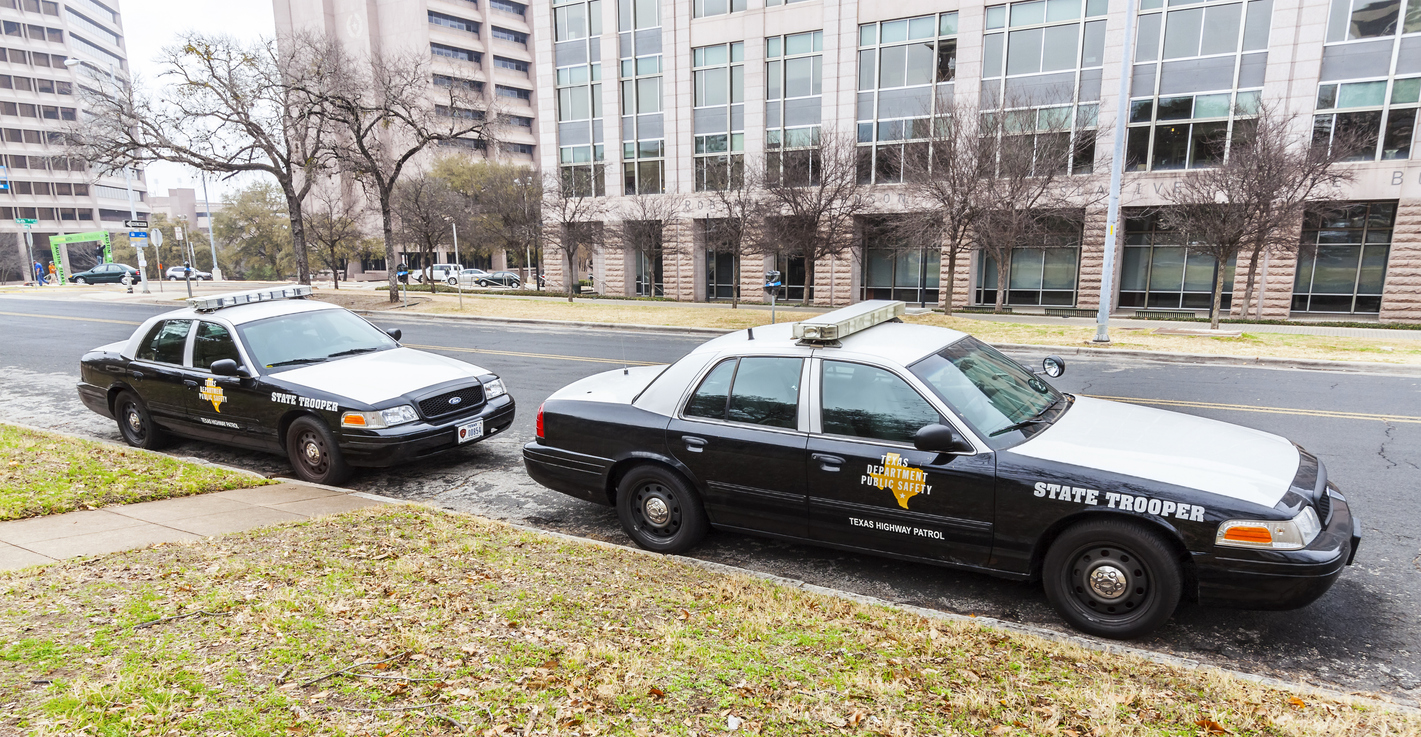
Dallas Police, Staffing, and Crime Reduction Efforts
Dallas has increased its public-safety capacity in recent years, with police staffing rising to over 3,200 officers and later reaching approximately 3,300 officers, the highest level in about a decade. City leaders and local reporting point to a combination of:
- Targeted enforcement strategies
- Community-based programs
- Improved staffing levels
These efforts contributed to measurable year-over-year declines in violent crime and reflect ongoing investment in public safety across the city.
Street Lighting and Environmental Safety Improvements
Improving street lighting has been part of Dallas’ broader safety strategy, particularly in parts of South Dallas. Projects have added new lighting along corridors such as Jeffries Street, Meadows Street, and Malcolm X Boulevard, as well as near community areas like Opportunity Park. Research shows that better lighting can help reduce certain types of nighttime crime, particularly when combined with increased visibility, foot traffic, and community presence. While lighting alone is not a complete solution, it plays a meaningful role in improving overall neighborhood safety and accessibility.
Practical Safety Tips for Exploring the Metroplex
The DFW Metroplex extends far beyond Dallas, and many visitors spend time in areas such as Plano, Frisco, Grapevine, Arlington, and Fort Worth, which often feel more suburban and easier to navigate. Wherever you go, these habits apply:
- Know your parking plan before arriving
- Use official garages or well-lit lots
- Avoid unfamiliar areas late at night
- Confirm rideshare details and license plates before entering
- Stay alert at ATMs, gas stations, and transit stops
If you are staying in Dallas, keep these contacts saved:
- Emergency: 911
- Dallas Police Non-Emergency: 214-744-4444
- DART Police Emergency: 214-928-6300
- DART Police Non-Emergency: 214-749-5900
- Downtown Safety Patrol Escort: 214-741-1151