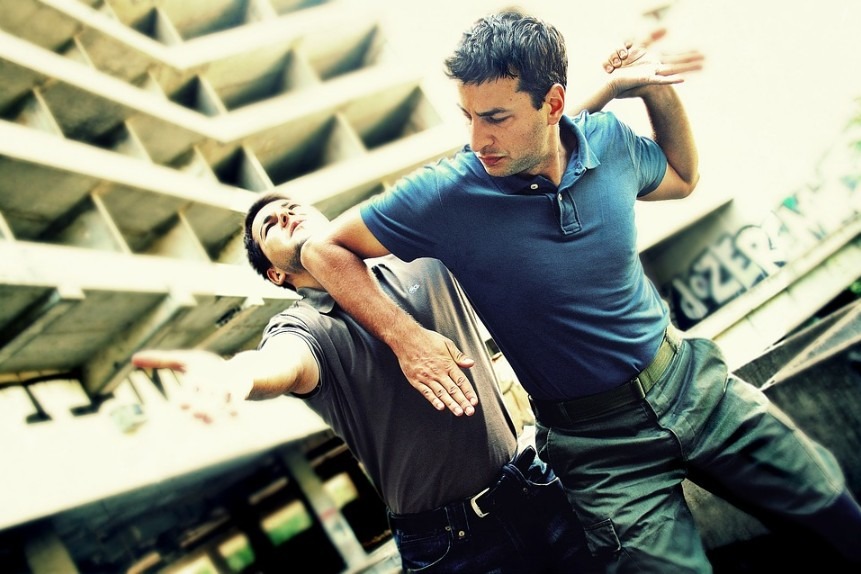
Self-Defense Skills for Outdoor Adventures in Texas

Protecting yourself during Texas outdoor adventures starts with awareness, preparation, and practical safety habits. While most trails and parks are safe, understanding how to respond to wildlife encounters, environmental hazards, and rare human threats can help you explore with confidence. Learning basic defensive techniques, carrying appropriate safety tools, and understanding Texas self-defense laws ensures you’re prepared without overreacting to low-risk situations. A well-planned approach—combined with situational awareness—goes a long way in keeping your outdoor experiences safe and enjoyable.
Understanding Real Risks on Texas Outdoor Adventures
While self-defense skills are valuable, most incidents during Texas outdoor activities are not related to crime or confrontation. The majority of emergencies involve environmental factors such as heat exhaustion, dehydration, getting lost, or sudden weather changes. In regions like Central Texas and the Hill Country, flash flooding can occur quickly after heavy rain, while West Texas presents risks tied to extreme heat, sun exposure, and limited water access. Wildlife encounters are typically rare and avoidable when proper precautions are taken. Focusing on preparation, awareness, and environmental safety will significantly reduce your overall risk during outdoor adventures.
Common Threats on Texas Trails: Wildlife, Weather, and Human Encounters
View this post on Instagram
When exploring Texas trails, you’ll encounter a mix of natural and environmental risks rather than constant danger. Wildlife such as rattlesnakes, copperheads, and coral snakes are active in warmer months, especially from spring through early fall. Coyotes and bobcats are present across the state, while black bears are limited to far West Texas and are rarely encountered. Feral hogs, however, are widespread and can be unpredictable if cornered. Environmental factors are often the greater risk. Extreme heat, dehydration, flash flooding in Hill Country areas, and uneven terrain contribute to more incidents than wildlife encounters. Human-related incidents are relatively uncommon on maintained trails, but it’s still wise to stay aware—especially in isolated areas or unfamiliar parks.
Regional Risks: Hill Country Floods and West Texas Exposure
Texas landscapes vary widely, and each region presents unique challenges.
- Hill Country and Central Texas: Sudden storms can trigger flash floods, especially in low-water crossings and river trails. Avoid hiking near creeks if rain is in the forecast—even miles away.
- West Texas and desert areas: Expect extreme temperatures, limited shade, and scarce water sources. Dehydration and heat stroke are major concerns.
- East Texas: Dense forests and humidity can increase fatigue, while insects like ticks and mosquitoes are more common
Understanding regional conditions helps you prepare appropriately for each environment.
Situational Awareness Skills That Prevent Outdoor Incidents
Your most effective safety tool is situational awareness—the ability to notice changes in your environment before they become problems. Key habits include:
- Regularly scanning your surroundings, especially at trail intersections or isolated stretches
- Noticing unusual behavior, such as someone lingering or following at a consistent distance
- Staying aware of trail conditions, weather changes, and exit points
- Trusting your instincts and moving toward more populated or visible areas if something feels off
Simple awareness reduces risk far more effectively than relying on physical defense.
Navigation and Survival Basics for Texas Trails
Knowing how to navigate and manage basic survival needs is essential for safe outdoor exploration.
- Map reading and GPS: Always carry a physical map or download offline maps before your trip. Cell service can be unreliable in rural areas.
- Stay on marked trails: This reduces the risk of getting lost and encountering hazardous terrain.
- Hydration strategy: In Texas heat, plan for at least 1 liter of water per hour of activity, especially in summer months.
- Sun protection: Wear hats, sunglasses, and sunscreen to prevent heat-related illness.
- Know your turnaround time: Set a time to head back before fatigue or darkness becomes a factor
These fundamentals often prevent emergencies before they start.
Staying Safe Around Texas Wildlife: Snakes, Hogs, and Predators
Wildlife encounters are typically avoidable with proper behavior.
- Snakes: Watch where you step or place your hands. Most bites occur when people accidentally step on or try to handle snakes. Give them space and allow them to move away.
- Feral hogs: Avoid approaching or cornering them. If encountered, slowly create distance and position yourself behind a barrier like a tree or rock.
- Coyotes: Make yourself appear larger, maintain eye contact, and make noise if necessary.
Carrying a small noise-making device (like a whistle) can help deter animals without escalating the situation. Never run from wildlife, as it may trigger pursuit behavior.
Basic Self-Defense Techniques for Trail Safety
View this post on Instagram
While physical confrontations are rare, knowing a few basic self-defense movements can help in emergencies.
- Palm strikes and elbow strikes are effective at close range and easier to execute than complex techniques
- Maintain a stable stance on uneven terrain to avoid losing balance
- Focus on creating distance and escaping, rather than engaging
The goal is always to break contact and move to safety, not to remain in a confrontation.
Pepper Spray and Personal Safety Tools for Outdoor Use
For most hikers and outdoor travelers, pepper spray is the most practical personal safety tool.
- Pepper spray: Effective for close-range personal defense and easy to carry
- Bear spray: Designed for large wildlife, with a wider spray range (more relevant in remote areas)
- Multi-tools or knives: Useful for utility purposes but not ideal as primary defense tools
Always practice safe handling and understand how your equipment works before heading out. Keep tools accessible—not buried in a backpack—and use them only when necessary.
What Texas Law Says About Outdoor Self-Defense
Texas law allows individuals to defend themselves when facing an immediate and reasonable threat.
- You are not required to retreat if you are lawfully present
- Force must be proportional to the threat
- Self-defense protections do not apply if you provoke the situation or use excessive force
Understanding these basics helps ensure your actions remain both effective and legally justified if an incident occurs.
Self-Defense Training Options for Outdoor Enthusiasts
If you want to build confidence, consider professional training focused on real-world scenarios. Cities like Austin, Dallas–Fort Worth, and San Antonio offer training in:
- Basic self-defense (including Krav Maga and situational awareness training)
- Outdoor safety and survival skills
- Defensive tool usage such as pepper spray
Look for programs that emphasize de-escalation, avoidance, and escape strategies, rather than aggressive tactics.
Build Your Personal Backcountry Safety Action Plan
Preparation is one of the most important parts of staying safe outdoors. Your safety plan should include:
- Emergency contacts and a communication plan
- Medical information, including allergies and medications
- Route details and estimated return time shared with someone you trust
- Backup navigation tools (GPS, offline maps, or printed directions)
Carry essentials like water, first aid supplies, and extra batteries. Reviewing your plan before each trip ensures you’re ready for unexpected situations.
Essential Safety Gear for Texas Outdoor Adventures
Carrying the right gear can make a critical difference in emergency situations.
- Water and electrolytes to prevent dehydration
- First aid kit with basic supplies
- Navigation tools (map, compass, or GPS device)
- Flashlight or headlamp with extra batteries
- Whistle or signaling device for emergencies
- Multi-tool or knife for utility use
- Sun protection (hat, sunscreen, sunglasses)
- Weather-appropriate clothing
Pack according to your activity and location, but always prioritize hydration, navigation, and communication tools.