
Interesting Facts About Martial Arts Training Around the World
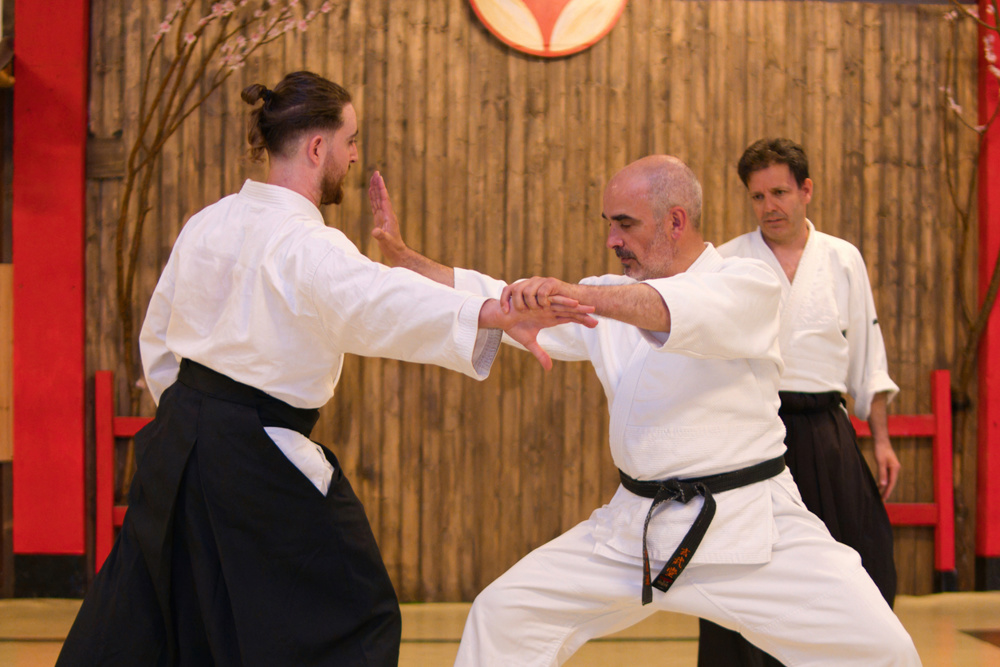
Martial arts training is one of the oldest and most widespread human traditions, with roots stretching back thousands of years. Across continents and civilizations, people developed systems of combat not only for survival but also for discipline, identity, and self-improvement. Today, these systems continue to evolve, blending ancient traditions with modern competition and global participation.
What makes martial arts unique is their diversity. Some styles emphasize striking, others focus on grappling, and many integrate philosophy or spirituality into physical training. Despite these differences, they all share a common purpose: preparing individuals to respond effectively under pressure. From ancient battlefields to modern gyms, martial arts remain deeply embedded in cultures worldwide.
The World's Oldest Martial Arts and Where They Began
Many of the earliest martial arts emerged independently across different regions, shaped by each civilization’s needs and environment. These systems often combined combat effectiveness with cultural or spiritual elements.
India’s Kalaripayattu is frequently cited as one of the oldest martial arts, combining strikes, kicks, weapon training, and healing practices. In ancient Greece, Pankration merged boxing and wrestling into a highly demanding Olympic sport known for its minimal rules. China’s Shuai Jiao focused on grappling and throwing, while South Asia’s Malla Yuddha developed as a form of wrestling tied to physical conditioning and ritual practice. Ancient Egyptian depictions of combat further demonstrate how early societies formalized fighting techniques.
These early systems were not isolated inventions. Over time, trade, migration, and cultural exchange allowed techniques and philosophies to spread and evolve. This interconnected development helped shape the foundations of many martial arts practiced today.
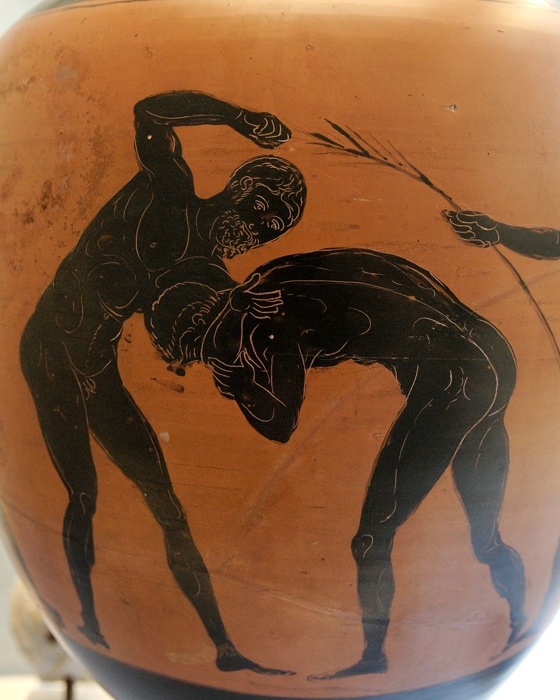
How Different Cultures Developed Their Own Fighting Styles
As ancient civilizations built their earliest combat systems, each culture's unique values, environment, and needs pushed fighting styles in distinctly different directions. China's Kung Fu drew from Taoist and Buddhist philosophy, while Japan refined cultural transmission from China into distinct forms like Judo and Aikido. Korea's Taekwondo fused dynamic kicks with indigenous rituals tied to discipline and acrobatics.
Africa developed independent wrestling and stick fighting traditions across separate tribes, while India's Kalaripayattu integrated Vedic spiritual practices into striking and weapons training. Brazil's Capoeira emerged from necessity, as enslaved Africans disguised self-defense within dance and music. Rigorous martial arts training dramatically reshapes body composition over time, reducing fat mass while building lean muscle through consistent physical demand.
You'll notice that geography, religion, trade, and survival consistently shaped how each culture fought. No single tradition developed in isolation; instead, human exchange continuously refined combat worldwide. Just as Sir Thomas More's Utopian ideal society explored the possibility of perfect human organization, martial traditions across cultures reflected their own visions of discipline, order, and human potential.
Stir up your curiosity with more surprising facts about martial arts!
The Competitions and Founders That Shaped Modern Martial Arts
While ancient cultures built their fighting traditions from necessity and philosophy, specific competitions and founders transformed those traditions into the global martial arts landscape you recognize today. Tournament Evolution accelerated when pioneers challenged conventional boundaries, and Founders' Rivalries pushed disciplines to prove real-world effectiveness.
Key milestones include:
- 1985: Satoru Sayama founded Shooto, creating structured MMA before UFC existed
- 1993: Rorion Gracie launched UFC, exposing style-versus-style competition globally
- Royce Gracie dominated early UFC events, validating BJJ against larger opponents
- Bruce Lee popularized hybrid fighting philosophies, inspiring cross-discipline challenges
These founders didn't just compete — they redefined what martial arts competition meant. Their decisions shaped weight classes, unified rules, and international formats you see governing modern tournaments today. Weight classes, referees, and safety-focused rules developed alongside MMA's rise to ensure both fairness and greater protection for athletes competing at every level.
Just as royalty-free open standards allowed the World Wide Web to expand globally without restriction, the removal of exclusionary barriers in martial arts competition enabled diverse disciplines to participate and grow on an international stage.
Which Fighting Styles Were Designed for Real Combat?
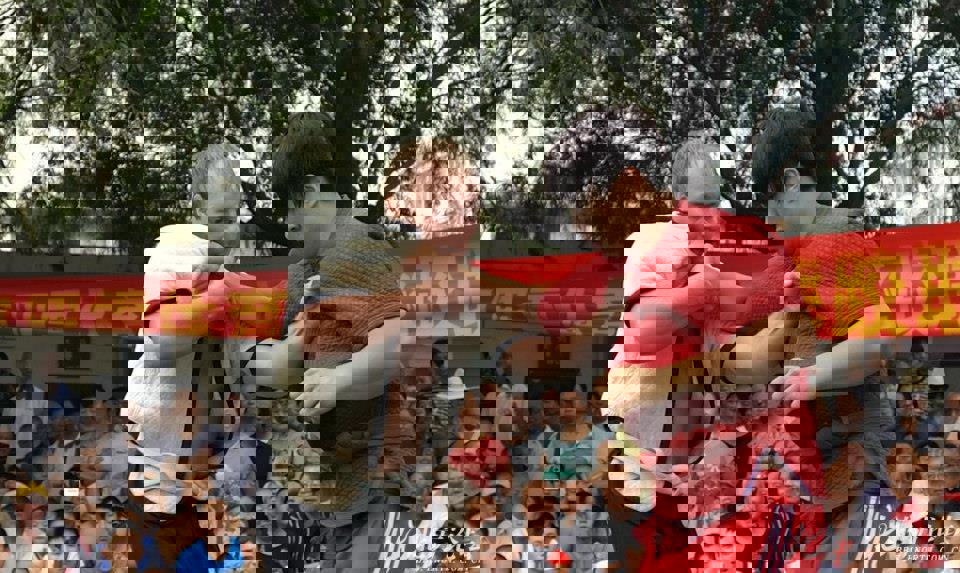
Some martial arts were designed specifically for real-world combat, focusing on effectiveness under unpredictable conditions. These systems prioritize practical techniques over formal structure or performance. Krav Maga, developed for military use, emphasizes rapid response and adaptability. Muay Thai uses powerful strikes with multiple points of contact, making it effective at various ranges.
Brazilian Jiu-Jitsu focuses on ground control and leverage, allowing smaller individuals to defend against larger opponents. Wrestling and Judo provide strong foundations in balance, positioning, and control. These styles share a common approach: training against resistance. Practitioners regularly test techniques against active opponents, ensuring that movements can be applied under pressure.
This focus on realism distinguishes them from systems that prioritize tradition or competition alone. Modern mixed martial arts combine elements from these disciplines, creating a comprehensive approach that addresses multiple aspects of combat.
How Many People Train in Combat Sports Worldwide?
Martial arts are practiced by millions of people across the globe, making them one of the most widely adopted forms of physical training. Participation spans all age groups, skill levels, and cultural backgrounds.
Karate alone has over 100 million practitioners worldwide, while Taekwondo engages tens of millions more. Judo, boxing, and wrestling also maintain large global communities. Mixed martial arts continues to grow rapidly, supported by international promotions and widespread media coverage.
These numbers reflect more than just participation—they show the cultural reach of martial arts. Training is not limited to professional athletes; it includes individuals seeking fitness, discipline, or personal development. This broad appeal helps sustain the global presence of martial arts across generations.
Which Martial Arts Styles Are Most Physically Demanding?
Different martial arts place different demands on the body, depending on their techniques and training intensity. Some emphasize endurance and conditioning, while others require explosive strength and coordination.
Muay Thai is known for its rigorous training, involving striking drills, clinch work, and conditioning exercises. Boxing demands high levels of stamina and precision, with repeated impact placing stress on the body over time. Wrestling and Judo require explosive movements and frequent physical contact, making them physically intense disciplines.
Mixed martial arts combine multiple styles, requiring athletes to develop a wide range of skills and physical attributes. This combination often results in high training demands and increased risk of injury. While each discipline challenges the body in different ways, they all require commitment and consistent effort. This physical intensity is part of what makes martial arts both demanding and rewarding.
How Martial Arts Training Shapes Mental Discipline
Beyond physical development, martial arts training plays a significant role in building mental discipline. Practitioners learn to manage stress, maintain focus, and respond calmly under pressure—skills that extend well beyond training environments into daily life. This ability to stay composed in challenging situations is one of the most valuable long-term benefits of martial arts.
Repetition and structured practice help develop patience and consistency. Techniques are practiced over and over, often with slow, incremental improvement rather than immediate results. This process teaches practitioners to value persistence and accept gradual progress, reinforcing resilience and a long-term mindset.
Many martial arts also emphasize respect and self-control as core principles. Students are taught to regulate their emotions, show discipline in their actions, and approach challenges with a balanced mindset. Over time, this mental framework becomes ingrained, shaping how practitioners’ approach not only training, but also work, relationships, and personal challenges.
How Martial Arts Training Builds Confidence and Personal Growth
Martial arts training consistently contributes to personal confidence by combining skill development with measurable progress. As practitioners learn new techniques and improve their abilities, they gain a clearer sense of what they are capable of achieving. This progress, even when gradual, reinforces self-belief and encourages continued effort.
Training environments also play an important role in this development. Structured classes, guided instruction, and supportive communities create a space where individuals can challenge themselves without unnecessary pressure. Overcoming small obstacles—such as mastering a movement or completing a demanding session—builds confidence that carries over into other areas of life.
In addition, martial arts often place individuals in situations that require controlled discomfort, such as sparring or performance under observation. Learning to navigate these experiences helps build resilience and adaptability. Over time, this combination of physical skill, mental discipline, and repeated achievement contributes to steady personal growth beyond the training setting.
The Role of Media and Globalization in Expanding Martial Arts
Media and globalization have played a major role in the spread of martial arts, making once regional practices accessible to a global audience. Films, televised competitions, and online platforms have introduced different styles to millions of viewers, increasing both awareness and participation.
International competitions have further accelerated this growth by bringing together fighters from diverse backgrounds. These events showcase a wide range of techniques and strategies, encouraging practitioners to learn from different disciplines. As a result, cross-training has become more common, blending traditional styles with modern approaches.
Access to training resources has also improved significantly. Online tutorials, virtual coaching, and global seminars allow individuals to learn from experienced instructors regardless of location. This accessibility has lowered barriers to entry and continues to expand the reach of martial arts across different cultures and communities.
Why Martial Arts Continue to Evolve Across Generations
Martial arts remain relevant because they adapt to changing needs and environments. While traditional techniques and philosophies are preserved, new methods are constantly introduced to reflect modern training goals and competitive standards.
Younger generations often approach martial arts with varied motivations, including fitness, self-defense, and professional competition. This diversity encourages innovation in training methods, equipment, and teaching styles, keeping the practice dynamic and responsive to current demands.
At the same time, the core principles of martial arts—discipline, respect, and adaptability—remain consistent. These foundational values provide continuity, ensuring that even as techniques evolve, the underlying purpose of martial arts remains intact. This balance between tradition and innovation is what allows martial arts to stay relevant across generations while maintaining their cultural significance.
Conclusion
Martial arts training represents a unique combination of history, culture, and physical discipline. From ancient combat systems to modern global sports, these practices have continuously adapted while preserving their core principles.
Their global reach reflects their versatility. Whether practiced for competition, self-defense, or personal development, martial arts offer a framework that supports both physical and mental growth. As new generations engage with these traditions, martial arts will continue to evolve. Their ability to balance tradition with innovation ensures that they remain a lasting and meaningful part of cultures around the world.