Austin Safety Guide for Tourists and Outdoor Explorers
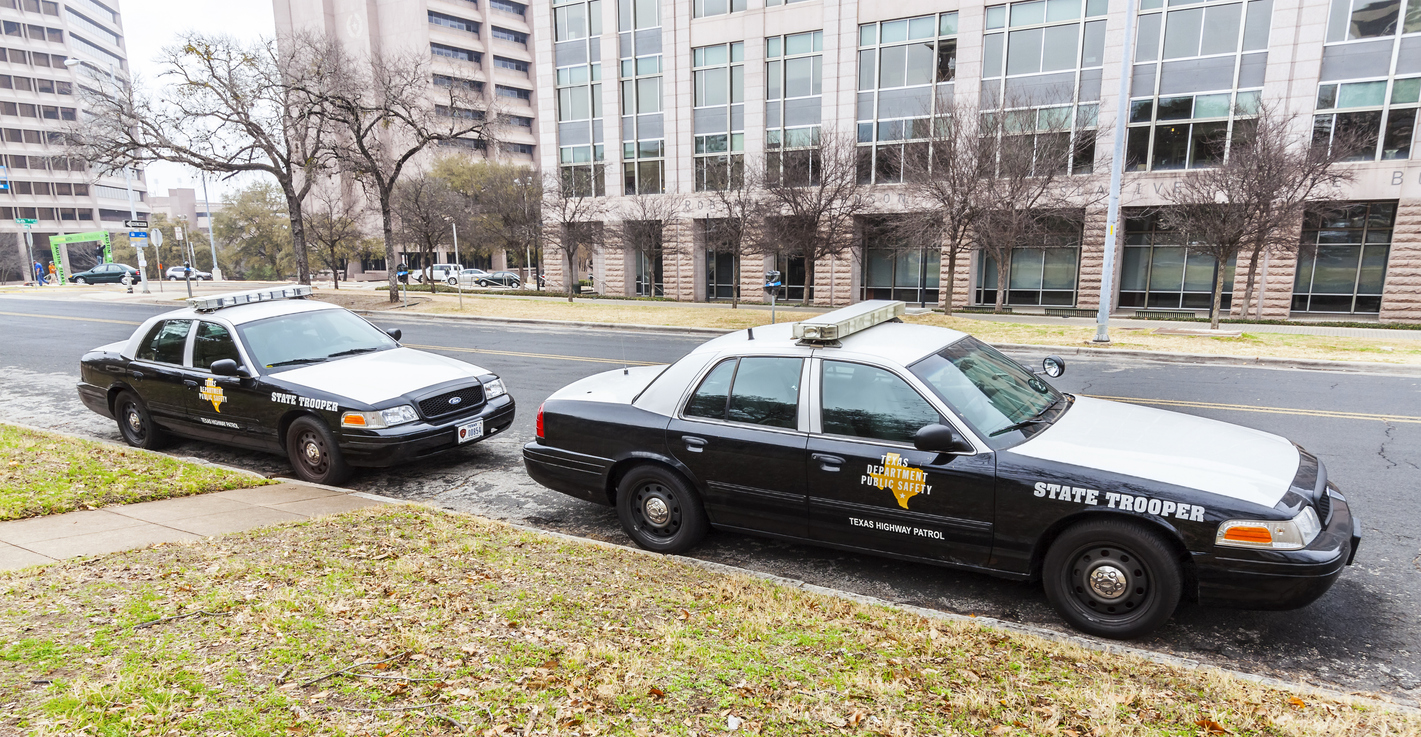
You’ll stay safer in Austin by knowing when to call 911 for emergencies, 311 for non-emergency city services, and 211 for social and crisis resources. Stay alert for deer activity at dusk, especially from October through December, and be cautious during rare winter weather when icy roads can develop early in the morning. Plan around rush hour traffic—generally 7–9 AM and 4–6:30 PM—and prepare your vehicle for extreme heat, sudden storms, and heavy congestion common in Central Texas.
Emergency Numbers for Austin: 911, 311, and 211 Explained
View this post on Instagram
When you're exploring Austin, knowing which number to call helps you get the right assistance quickly. Call 911 for life-threatening emergencies such as fires, serious medical issues, or active crimes. Austin’s 311 service handles non-emergency city concerns like potholes, graffiti, noise complaints, and abandoned vehicles. You can also use 311 for non-urgent police matters where there is no immediate danger. Dial 211 for access to mental health services, housing assistance, food resources, and crisis counseling across Texas. If you're unsure whether a situation qualifies as an emergency, it's appropriate to call 911—dispatchers will determine the correct response. Austin Police may redirect lower-priority calls to 311 depending on availability, so response times for non-emergency issues can vary.
Austin Weather Driving: Ice, Sleet, and Hail Safety
Austin’s winters are typically mild, but freezing rain and ice storms can occur and quickly create dangerous driving conditions. Bridges and overpasses tend to freeze first, especially during early morning hours. The most hazardous times are typically before 9 AM, when overnight freezing temperatures linger. If winter weather is forecast, it’s safest to delay travel until late morning or afternoon, when temperatures rise above freezing. Follow these precautions:
- Avoid driving during active ice events whenever possible
- Check TxDOT road conditions before heading out
- Use caution on elevated roadways and shaded areas
- Reduce speed and increase following distance
Even small amounts of ice can significantly impact road safety in a city not built for frequent winter conditions.
Deer Collision Risks: When and Where to Watch Austin Roadsides
View this post on Instagram
While central Austin is highly urban, surrounding areas and suburban corridors present increased risk for deer collisions. Texas consistently ranks among the top states for deer-related vehicle accidents. The highest risk occurs at dusk and early night (around 6–9 PM), particularly during fall breeding season (October–December) when deer are more active. To reduce risk:
- Slow down on rural or tree-lined roads
- Use high beams when appropriate to improve visibility
- Brake firmly if a deer appears, but avoid swerving
- Watch for additional deer, as they often travel in groups
Staying alert in areas like West Austin, Lake Travis roads, and Hill Country routes can help prevent accidents.
Traffic Patterns, Construction Zones, and Event Congestion
Understanding Austin’s traffic patterns can help you avoid delays and navigate the city more efficiently.
- Morning rush hour: 7:00–9:00 AM
- Evening rush hour: 4:00–6:30 PM
- Heaviest congestion: I-35, MoPac (Loop 1), and Highway 183
Traffic can be unpredictable due to ongoing construction and rapid population growth. Thursdays and Fridays often see heavier congestion due to early departures and weekend travel. Toll roads such as SH 130 and SH 45 can offer faster alternatives, especially during peak hours. Be prepared for cashless toll systems, which typically bill by mail or require a TxTag. Large events like SXSW, Austin City Limits Festival, and UT football games can significantly impact traffic near downtown and Zilker Park.
Personal Safety and Neighborhood Awareness in Austin
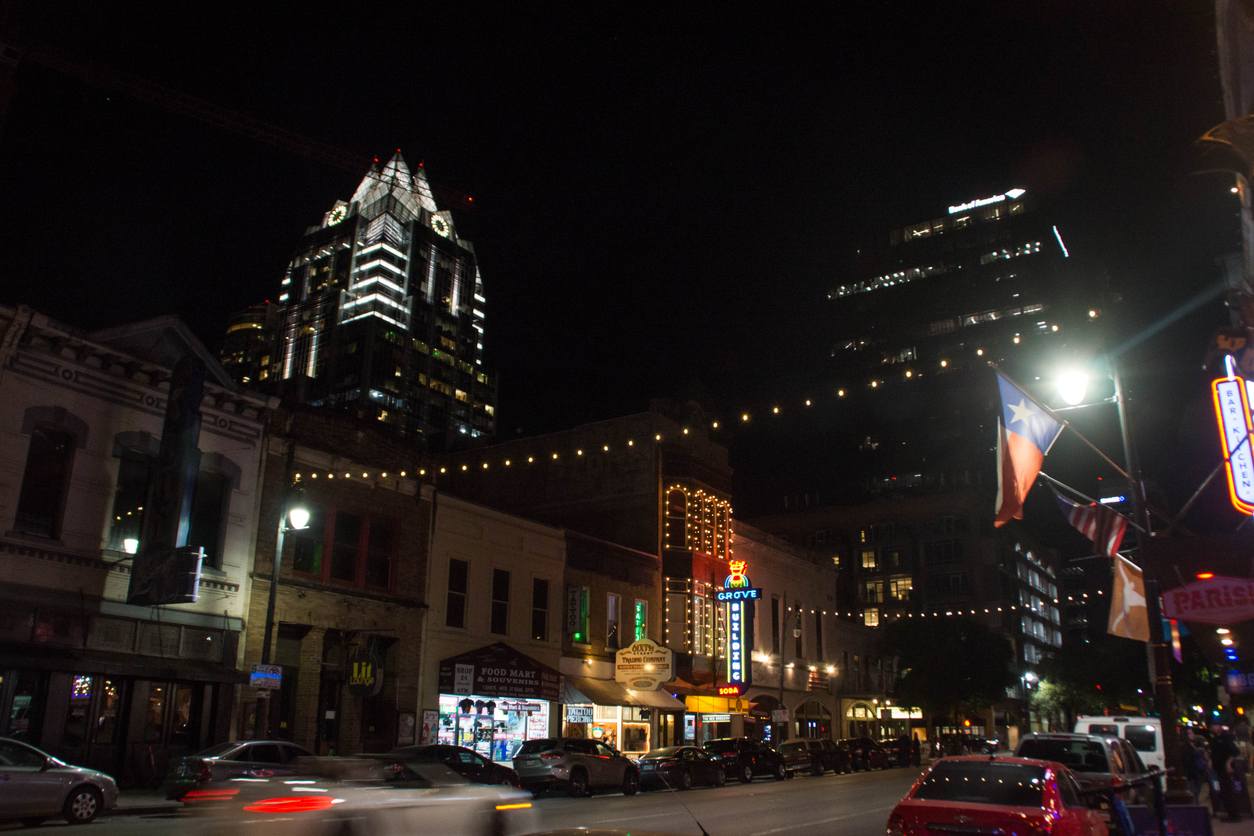
Austin is generally considered a safe and welcoming city, but like any major destination, it’s important to stay aware of your surroundings—especially at night. Popular areas such as Downtown, Sixth Street, Rainey Street, and East Austin are lively and well-trafficked, but can become crowded late at night. Stay in well-lit areas, avoid isolated streets, and keep personal belongings secure in busy entertainment districts. If you're exploring nightlife, travel with a group when possible and plan your transportation ahead of time. Petty theft can occur in high-traffic areas, so avoid leaving valuables visible in vehicles or unattended in public spaces. For quieter neighborhoods, standard precautions apply—lock your vehicle, be mindful of surroundings, and respect local residential areas.
Event Safety and Crowd Planning in Austin
View this post on Instagram
Austin hosts major events like SXSW, Austin City Limits Festival, and UT football games, which draw large crowds and can impact mobility and safety. To navigate events safely:
- Arrive early to secure parking or consider using rideshare services
- Use designated drop-off and pick-up zones
- Stay aware of crowd flow and exits in busy venues
- Keep your phone charged and establish a meeting point if traveling with others
Parking near major events is often limited. Consider using park-and-ride options, shuttles, or public transit to avoid congestion. Large gatherings can be enjoyable and safe with proper planning and awareness.
Rideshare and Public Transportation Safety Tips
Getting around Austin is easy with rideshare services and public transit, but a few precautions can improve safety and convenience. When using rideshare apps like Uber or Lyft:
- Confirm the driver’s name, photo, and license plate before entering
- Avoid sharing rides with strangers outside the app
- Sit in the back seat and share your trip details with a friend if needed
Austin’s public transportation system, CapMetro, includes buses and the MetroRail Red Line. It’s generally safe during daytime and peak hours, though late-night service is more limited. At transit stops:
- Stay in well-lit, populated areas
- Keep personal items secure
- Be aware of surroundings when boarding and exiting
Vehicle Prep for Austin Heat and Sudden Summer Storms
Austin’s summers regularly exceed 95–100°F, placing extra strain on vehicles. Preparing ahead can help prevent breakdowns. Check the following before driving:
- Cooling system and coolant levels to prevent overheating
- Tire pressure and tread to reduce blowout risk
- Battery condition, as heat can shorten lifespan
- Air conditioning performance for comfort and safety
Sudden thunderstorms can develop quickly, reducing visibility and causing slick roads. Make sure your wiper blades are in good condition and avoid driving through flooded low-water crossings.
Outdoor Safety Tips for Austin Explorers
Austin’s outdoor spaces—from hiking trails to waterways—offer incredible experiences, but require awareness of local conditions.
- Stay hydrated and carry plenty of water, especially in summer
- Wear sun protection, including hats and sunscreen
- Watch for heat exhaustion symptoms, such as dizziness or fatigue
- Be cautious around wildlife, including snakes and insects
- Avoid swimming in unknown water conditions or after heavy rain
Popular outdoor areas like the Barton Creek Greenbelt, Mount Bonnell, and Lady Bird Lake trails can become crowded, so plan early visits for a safer and more enjoyable experience.
Water Safety: Currents, Flood Risks, and Low-Water Crossings
Austin’s rivers, lakes, and creeks are popular for recreation, but they come with unique safety considerations. While Lady Bird Lake and Lake Austin are generally calm, sections of the Colorado River and Barton Creek can have currents, debris, and changing water levels, especially after rainfall. Flash flooding is a serious risk in Central Texas. Avoid entering waterways during or after heavy rain, and never attempt to cross low-water crossings when water is flowing over the road—conditions can change rapidly. Additional safety tips include:
- Avoid swimming in areas with unknown depth or submerged hazards
- Watch for blue-green algae advisories, which can affect pets and humans
- Always supervise children near water
Being cautious around water helps prevent accidents and ensures a safer outdoor experience.
Safety Tips for Families and Solo Travelers
Austin accommodates a wide range of travelers, and safety considerations can vary depending on your travel style. For Families:
- Choose family-friendly areas like Zilker Park, Mueller, and Lady Bird Lake
- Keep children within sight in crowded areas and near water
- Plan activities during daytime hours for easier navigation and access
For Solo Travelers:
- Stick to well-populated areas, especially at night
- Share your itinerary with someone you trust
- Use rideshare or reliable transportation instead of walking alone late
Both groups should remain aware of surroundings, stay hydrated, and plan ahead for transportation and activities.