Personal Safety Tips for Traveling in Texas Cities
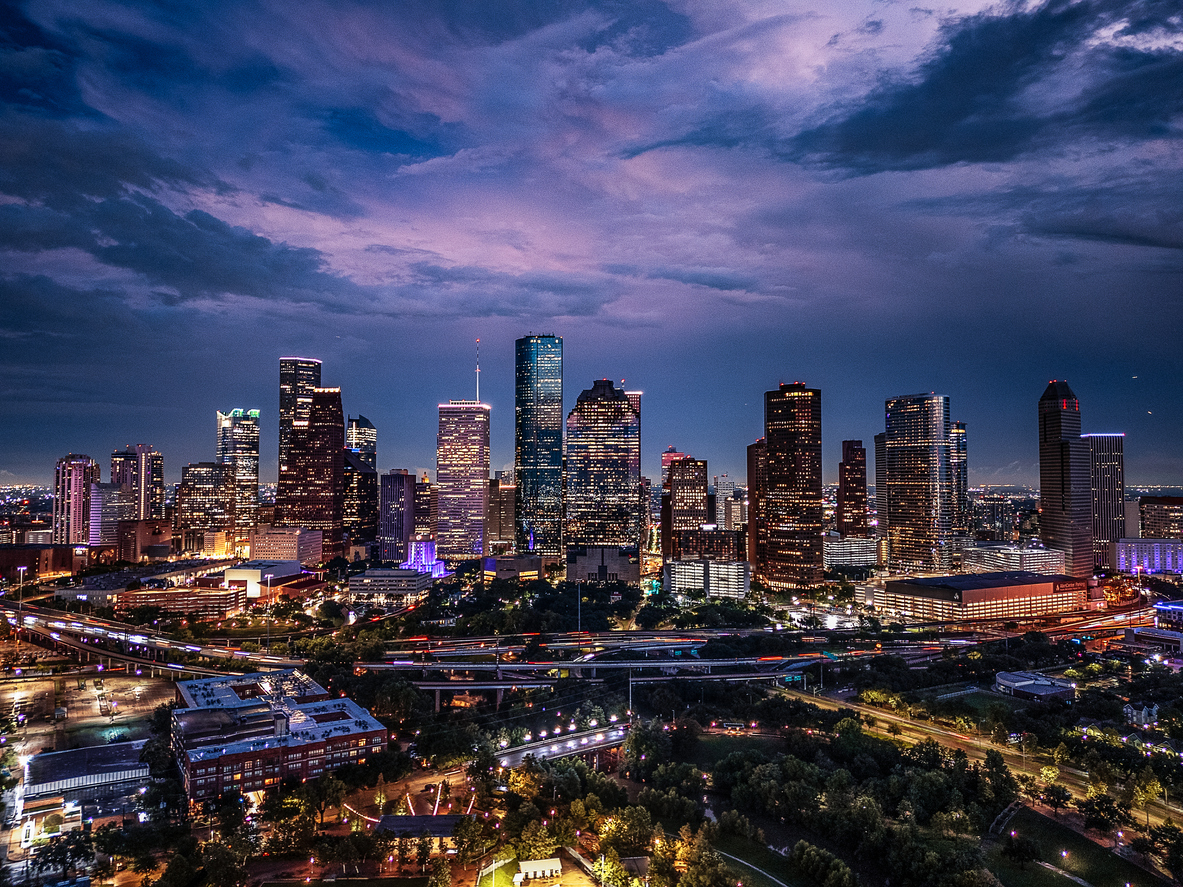
Staying safe while traveling in Texas cities comes down to awareness, preparation, and smart decision-making. Large metropolitan areas like Houston, Dallas, Austin,text and San Antonio offer vibrant experiences, but like any major destination, they also require basic precautions. Choose accommodations in well-reviewed, central neighborhoods, avoid poorly lit areas late at night, and always secure your belongings. Simple habits—like locking your vehicle, keeping valuables out of sight, and staying aware of your surroundings—go a long way in preventing common issues.
Texas’s Safest Cities: Smaller Communities with Strong Safety Records
While major cities attract most visitors, several smaller Texas communities consistently report lower crime rates and high quality of life. Cities such as Trophy Club (near Fort Worth) and Fair Oaks Ranch (northwest of San Antonio) are often noted for low crime levels, strong community policing, and well-maintained neighborhoods. The Memorial Villages area in Houston (including Piney Point Village and Hunters Creek Village) is also known for its residential safety and controlled access neighborhoods. These areas are not typical tourist hubs, but they reflect the types of communities where crime rates are significantly below state and national averages. Travelers can use similar criteria—good lighting, active neighborhoods, and visible security—to choose safer places to stay in larger cities.
Choosing Safe Areas to Stay in Major Texas Cities
Selecting the right neighborhood is one of the most important safety decisions when visiting Texas cities. In general, downtown districts and well-developed suburban areas offer the best combination of accessibility and security. In Houston, areas like The Galleria/Uptown, Downtown, and The Woodlands provide strong hotel options, walkable amenities, and consistent security presence. In Dallas, visitors often choose Uptown, Downtown, Plano, or Frisco, which offer modern accommodations and lower incident rates compared to less-developed areas. In Austin, Downtown, South Congress, and The Domain are popular for their vibrant atmosphere and accessibility, while suburban options like Round Rock and Cedar Park provide quieter stays. In San Antonio, the River Walk, Downtown, and Stone Oak areas are among the most convenient and well-patrolled locations for travelers. Suburban stays can offer more space, quieter environments, and easier parking, while central districts provide walkability and proximity to attractions. Choose based on your itinerary and comfort level.
Major Texas Cities: Where to Use Extra Awareness
Large cities like Houston, Dallas, and San Antonio are generally safe for visitors, but certain neighborhoods experience higher crime rates than others. In Houston, areas such as Sunnyside, Kashmere Gardens, and parts of South Park have historically reported higher crime levels. In Dallas, sections of South Dallas and certain pockets of West Dallas require more caution, especially late at night. In San Antonio, areas farther from tourist centers may have fewer safety resources. Rather than focusing on specific statistics that frequently change, travelers should:
- Stay in well-known districts (Downtown, Uptown, The Woodlands, etc.)
- Use rideshare or trusted transportation at night
- Avoid unfamiliar areas without research
Most tourist-heavy zones—including The River Walk (San Antonio), Downtown Austin, and Uptown Dallas—maintain strong police presence and are generally safe with standard precautions.
Navigating Neighborhoods Safely at Night
View this post on Instagram
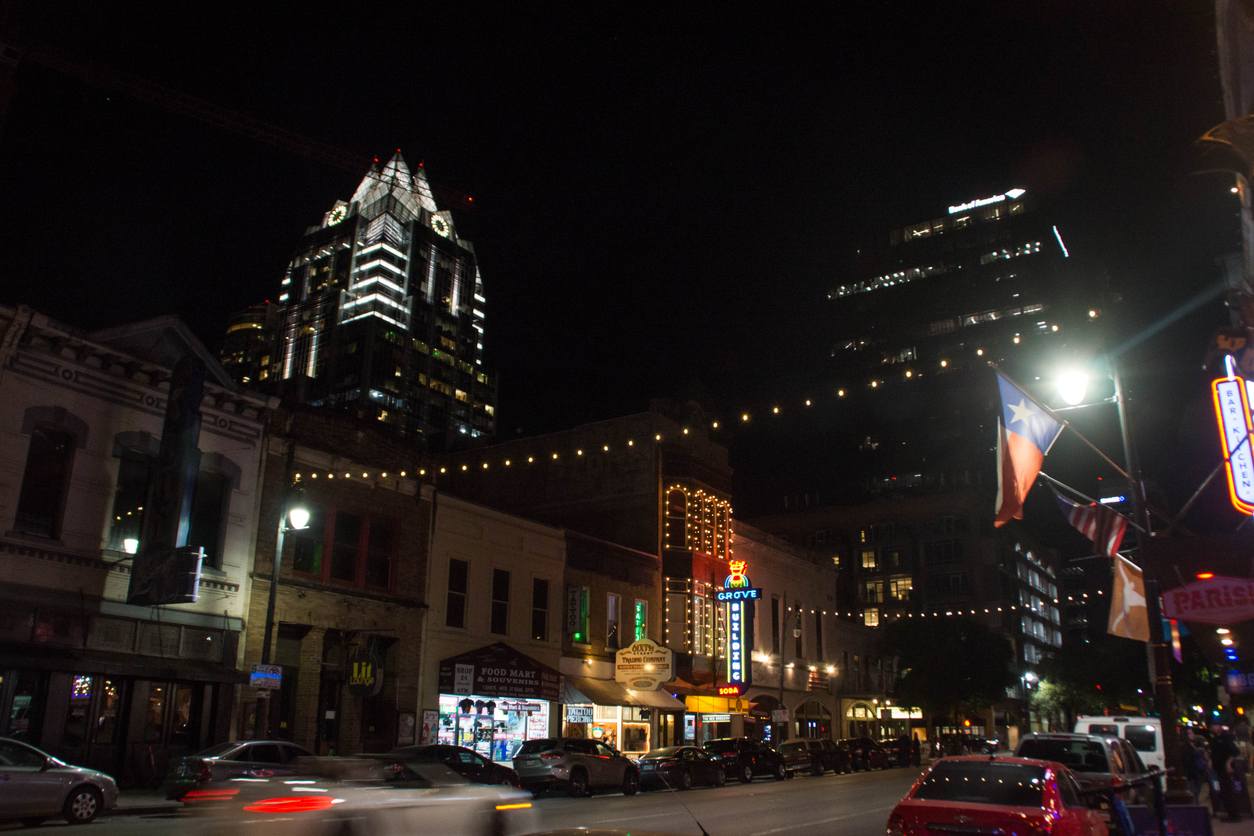
Exploring Texas cities after dark can still be enjoyable with the right precautions. Stick to well-lit streets, active entertainment districts, and areas with visible foot traffic. In cities like Austin, nightlife areas such as Sixth Street can become crowded, making it important to stay aware of your belongings. Similarly, in Houston and Dallas, entertainment districts are safest when you travel in groups and avoid isolated side streets. If you’re unsure about a neighborhood:
- Check recent reviews of restaurants or venues
- Ask hotel staff or locals for guidance
- Use navigation apps to stay on main routes
Staying Safe at Festivals, Sporting Events, and Nightlife Districts
Texas hosts large-scale events year-round, from music festivals to major sporting events. While these are generally well-managed, crowds require extra awareness. At festivals like ACL in Austin or the Houston Rodeo, arrive early, plan meeting points, and keep your phone charged. Avoid carrying unnecessary valuables and use secure bags. At sporting events—such as games at AT&T Stadium (Arlington) or NRG Stadium (Houston)—follow posted security guidelines and use designated parking or rideshare drop-off zones. In nightlife areas, including Sixth Street (Austin) or Deep Ellum (Dallas), stay with your group, monitor drinks, and avoid accepting beverages from strangers. Crowded environments are safest when you remain aware of exits, surroundings, and personal belongings.
Protect Your Vehicle from Theft in Texas Cities
Vehicle-related theft is one of the most common issues travelers face, especially in large metro areas. To reduce risk:
- Lock all doors and close windows completely
- Park in well-lit, high-traffic areas
- Avoid leaving valuables visible inside your vehicle
- Use garages or monitored parking when available
Pickup trucks and SUVs are popular across Texas, but they can also be targets for theft—especially if tools or equipment are visible in the bed. Adding basic deterrents like steering wheel locks or vehicle trackers can provide extra protection during longer stays.
Getting Around Safely: Rideshare, Driving, and Public Transit
Transportation safety varies across Texas cities, and choosing the right option can improve both convenience and security. Rideshare services like Uber and Lyft are widely used in Houston, Dallas, Austin, and San Antonio, especially at night. Always verify your driver’s name, vehicle, and license plate before entering. Public transit systems—such as DART in Dallas, METRORail in Houston, and VIA in San Antonio—are reliable during daytime hours, particularly in central areas. However, travelers should remain aware of surroundings and avoid isolated stops late at night. If driving, expect heavy traffic in major metros, especially during rush hours. Use well-lit parking garages when possible and avoid leaving belongings in your vehicle. For nightlife or events, rideshare is often the safest and most convenient option.
Understanding Crime Risks Without Overgeneralizing
Cities like Amarillo, Waco, and Beaumont sometimes report higher-than-average crime rates compared to smaller towns, but that doesn’t mean they are unsafe to visit. Crime is often concentrated in specific neighborhoods, not spread evenly across the entire city. Visitors who stay in central areas, follow local guidance, and remain aware of their surroundings typically experience safe and enjoyable trips. Instead of focusing solely on statistics, prioritize:
- Location selection
- Time of day awareness
- Situational awareness in unfamiliar areas
Practical Safety Habits for Texas Travel
No matter which Texas city you’re visiting, these everyday habits can improve your safety:
- Keep your phone charged and accessible
- Share your location with a trusted contact when traveling alone
- Avoid displaying large amounts of cash or expensive items
- Stay hydrated and alert, especially in hot weather
- Trust your instincts—if something feels off, leave the area
Texas cities are known for their hospitality and vibrant culture, and with a few smart precautions, you can explore confidently and safely.